A Handbook Of Weed Science: Theory And Practical NEW
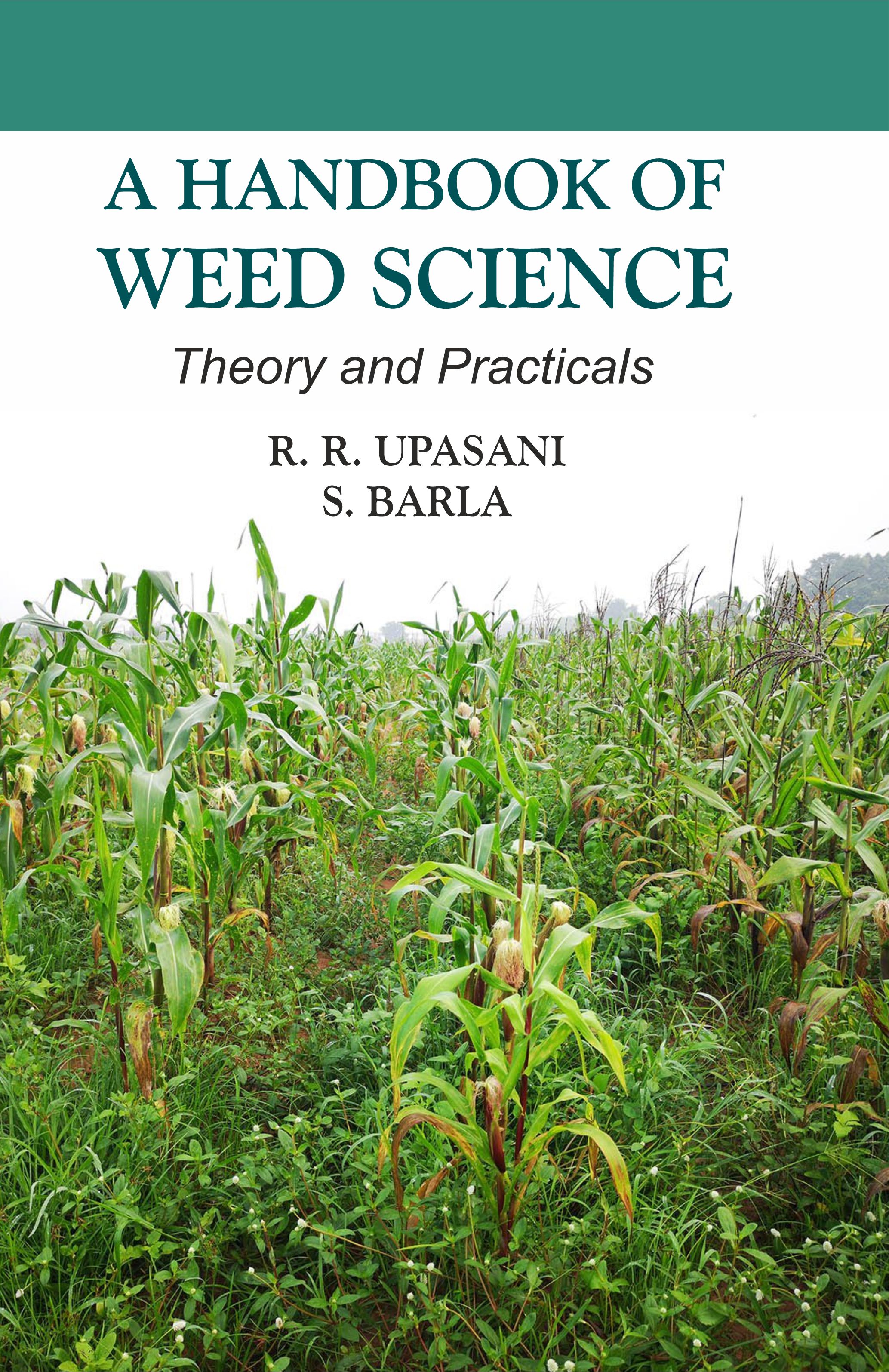

The Handbook of Weed Science: Theory and Practical is a comprehensive resource designed to address the persistent challenge of weeds in modern agriculture. This book integrates theoretical foundations with practical applications, covering key topics such as weed biology, ecology, identification, crop–weed competition, and diverse management principles. Special attention is given to herbicide science, integrated weed management (IWM), resistance management, and emerging eco-friendly advances. With systematically organized chapters, practical exercises, and real-world case examples, the handbook serves both students and professionals by bridging classroom concepts with field-based skills. Its overarching goal is to promote informed, responsible, and sustainable weed management practices that support crop productivity and environmental health.
Dr. Upasani RR
 555
555 1. Introduction to Weed Science
Practical: Diagram or photo showing drone with GPS nozzles spraying
herbicide on target zones
Practical: Identification and Classification of Common Weeds
Practical: Study of Weed Adaptations
Practical: Demonstration of Crop–Weed Competition
Practical: Weed Seed Bank Study
Practical: Preparation of Weed Herbarium
Practical: Preparation of a Weed Flora Report
2. Weed Biology and Ecology
Practical: Study of Life Cycle and Morphological Characteristics of Weeds
Practical: Study of Weed Reproductive Structures and Propagation
Mechanisms
Practical: Examination of Weed Seed Dormancy and Germination Behavior
Practical: Estimation of Weed Seed Bank in Soil
Practical: Study of Weed–Crop Competition Using Pot Experiment
Practical: Identification of Major Weeds Under Different Agro-Ecological
Conditions
Practical: Observation of Allelopathic Effects of Crop Residues on Weed
Germination
3. Weed Identification and Nomenclature
Practical: Study of Weed Morphology and Nomenclature
Practical: Identification of Major Grassy, Sedge, and Broad-Leaved Weeds
Practical: Preparation of Herbarium Specimens of Common Weeds
Practical: Identification of Aquatic and Marshy Weeds
Practical: Identification of Weeds Through Vegetative Propagules
Practical: Identification of Major Weeds of Rice and Wheat
Practical: Identification of Weeds in Pulses, Oilseeds, and Vegetable
Crops
Practical: Study of Weed Seeds and Fruits
Practical: Use of Digital and Ai-Based Tools in Weed Identification
Practical: Weed Flora Documentation and Field Report Preparation
Practical: Preparation of a Dichotomous Key for Local Weed Flora
Practical: Laboratory Identification of Weed Propagules
4. Crop–Weed Competition and Dynamics
Practical: Study of Crop–Weed Competition Under Controlled Conditions
Practical: Determination of Critical Period of Weed Control (CPWC)
Practical: Quantitative Estimation of Yield Loss Due to Weeds
Practical: Relationship Between Weed Density and Crop Yield
Practical: Effect of Weed Competition on Nutrient Uptake by Crop and Weeds
Practical: Identification of Dominant Weeds and Calculation of Importance
Value Index (IVI)**
Practical: Study of Allelopathic Interaction Between Weeds and Crops
Practical: Calculation of Weed Competition Indices
Practical: Comparative Evaluation of Weed Management Practices on Crop
Yield**
Practical: Preparation of a Weed Loss Assessment Report for a Local Crop
System
5. Methods of Weed Control
Practical: Farmer-Led Innovation: Low-Cost Shielded Nozzle for Directed
Herbicide Application (Invented by Dr. R. R. Upasani)
Practical: Study of Various Methods of Weed Control
Practical: Demonstration of Preventive Measures
Practical: Field Demonstration of Cultural Weed Control Practices
Practical: Study and Operation of Mechanical Weed Control Implements
Practical: Study of Herbicide Formulations and Label Information
Practical: Calculation of Herbicide Dose and Spray Volume
Practical: Observation of Biological Control of Weeds
Practical: Demonstration of Integrated Weed Management (IWM)
6. Herbicides: Classifications and Mode
of Action
Practical: Identification of Common Herbicides and their Formulations
Practical: Study of Herbicide Label Information and Safety Symbols
Practical: Classification of Herbicides Based on Mode of Action
Practical: Demonstration of Herbicide Injury Symptoms in Crop and Weed
Species
Practical: Study of Herbicide Compatibility Through Jar Test
Practical: Field Demonstration of Herbicide Selectivity
Practical: Calculation of Herbicide Dose and Preparation of Spray Solution
Practical: Study of Herbicide Resistance Symptoms in Weeds
(Demonstration/Case Study)
Practical: Demonstration on Safe Handling and Storage of Herbicides
7. Herbicide Selectivity,
Compatibility, and Persistence
Practical: Study of Herbicide Selectivity in Crops and Weeds
Practical: Compatibility Testing of Herbicide Mixtures (Jar Test Method)
Practical: Assessment of Herbicide Persistence in Soil
8. Herbicide Formulations, Application
Technology, and Safety
Practical: Physiological Explanation of Dose–Response Relationship
Practical: Identification of Herbicide Formulations
Practical: Study of Compatibility and Mixing Sequence
Practical: Calibration of Knapsack Sprayer
Practical: Demonstration of Safe Handling and Use of PPE
Practical: Disposal of Herbicide Containers and Waste
9. Integrated Weed Management (IWM)
Practical: Why 0.7 is used
Practical: Identification of Weed Management Components in IWM
Practical: Development of Crop-Specific IWM Module
Practical: Weed Scouting and Mapping for IWM
Practical: Evaluation of IWM Module Efficiency
10. Illustrated Classification and
Identification of Weeds
Practical: Identification of Major Weeds in Field Crops
Practical: Preparation of Weed Herbarium
Practical: Differentiation Among Grasses, Sedges, and Broad-Leaved Weeds
Practical: Study of Aquatic and Parasitic Weeds
Practical: Seasonal Occurrence and Crop Association of Weeds
Practical: Diagnostic Key Preparation for Weed Identification
Practical: Preparation of a Regional Weed Atlas (Optional Exercise)
11. Evolution and Classification of
Herbicides: from Conventional to Smart Systems
Practical: Isolation and Identification of Fungal Bioherbicides from
Infected Weeds
Practical: Preparation of Plant Extracts with Potential Allelopathic
Activity
Practical: Bioassay for Germination Inhibition Using Plant Extracts
Practical: Preparation and Characterization of a Nanoemulsion Herbicide
Formulation
Practical: Controlled Release Study of Nanoformulated Herbicide
Practical: Evaluation of Bioherbicidal Efficacy Under Pot Culture
Practical: Demonstration: Field Application of Bio- and Nanoherbicides
Practical: Identification and Classification of Common Herbicides
Practical: Study of Herbicide Formulations and Label Information
Practical: Demonstration of Selectivity — Crop Vs. Weed Response
Practical: Identification of Herbicide Injury Symptoms
Practical: Bioassay for Herbicide Residues in Soil
12. Herbicide Application, Efficacy, and
Environmental Fate
Practical: Role of Urea and Ammonium Salts in Enhancing Glyphosate
Performance
Practical: How to Interpret Half-Life in Practice
Practical: Calibration of a Knapsack Sprayer
Practical: Demonstration of Drift Reduction Techniques
Practical: Study of Herbicide Application Methods and Equipment
Practical: Measurement of Spray Coverage Using Water-Sensitive Paper
Practical: Identification and Diagnosis of Herbicide Injury Symptoms
Practical: Demonstration of Smart / IoT-Based Sprayer Systems
13. Herbicide Resistance in Weeds
Practical: Identification of Suspected Herbicide-Resistant Weeds in Field
Practical: Comparative Pot Bioassay of Resistant and Susceptible Weeds
Practical: Dose–Response Study
Practical: Weed Herbicide History Analysis
Practical: Herbicide Mode of Action Classification
Practical: Field Demonstration of Integrated Resistance Management
Practical: Mapping of Resistant Weed Patches
Practical: Resistance Diagnosis Decision Exercise
Practical: Numerical-Based Practical Exercises
Practical: Basic Resistance Index Calculation
Practical: Comparative Resistance Level
Practical: Interpretation-Based Problem
Practical: Student Practice Set
Practical: Field Data Template: Practical Record
14. Weed Survey Techniques and
Quantitative Indices
Practical: Weed Survey and Quantitative Assessment of Weed Flora Using
Quadrat, Transect, and Point Methods
Practical: Data Interpretation Tasks
Practical: Herbarium Preparation Exercise
Practical: Precautions During Weed Survey
15. Weed Flora of Agricultural
Ecosystems
Practical: Note on Sedges in Rabi Season
Practical: Why this Conceptual Grouping is Important
Practical: Short Conceptual Notes
Practical: Detail Morphological Features of Major Aquatic Weeds
Book Details
A Handbook Of Weed Science: Theory And Practical NEW
TEXT-CUM-REFERENCES BOOK
744
0
0
AMERICAN ROYAL (6X9)
0 Gms
All Rights Reserved
M/s AGROBIOS (INDIA)
PG STUDENTS | SCIENTISTS AND RESEARCHERS | UG STUDENTS |
Books with Same Authors
Books with Similar Subjects